Source Modular Enterprise Multiservice Processing Board for Industrial Servo, Motion Control, Factory Automation
Find 30 verified options for the Modular Enterprise Multiservice Processing Board designed for industrial servo systems, motion control, and factory automation. Compare specifications, customization options, and production capabilities to identify the right supplier for your needs.
Key considerations
Products List
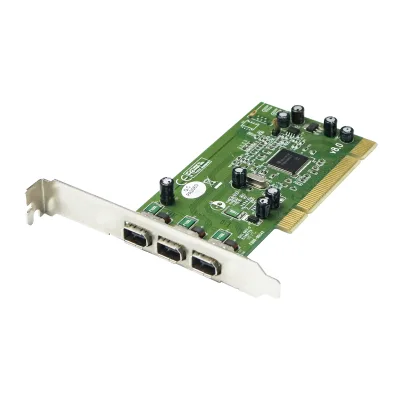


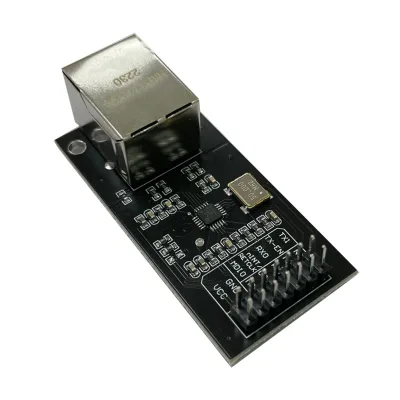

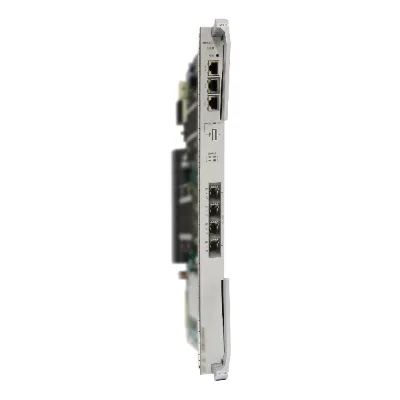

Effortless Multi-System Integration Control Board Panel for Advanced Applications
$500.00 - $5000.00
MOQ: 1 Sets


Android System Mainboard with Integrated WiFi and Bluetooth Connectivity
$53.90 - $57.80
MOQ: 2 Pieces


High-Performance Industrial Computer Board for Streamlined Forwarding Solutions
$0.10 - $5.00
MOQ: 1 Pieces
Comprehensive Sourcing Guide
Strategic Sourcing Guide for Modular Enterprise Multiservice Processing Boards
The acquisition of modular enterprise multiservice processing boards represents a critical decision point for organizations seeking to optimize their industrial automation, motion control, and factory automation infrastructure. These boards serve as the computational backbone for complex systems, integrating signal processing, data acquisition, and control logic into a unified hardware platform. For procurement professionals, navigating the market requires a disciplined approach that distinguishes between generic printed circuit board assembly (PCBA) services and specialized acquisition cards designed for high-performance enterprise environments. The following guide outlines the essential technical, compliance, and operational factors necessary to secure reliable supply chains for these components.
Technical Architecture and Interface Specifications
When evaluating a Modular Enterprise Multiservice Processing Board, the primary focus must be on the physical interface architecture and the underlying signal processing capabilities. The core functionality often relies on high-speed data transfer protocols. In the context of modern industrial acquisition systems, a specific configuration involves the integration of IEEE 1394 (FireWire) interfaces, which are critical for real-time data streaming. A robust unit typically features a built-in 1394A(6P) interface for internal connectivity, supplemented by multiple external 1394A(6P) interfaces to expand channel capacity. This dual-interface approach ensures that the board can handle both internal system communication and external device synchronization without bottlenecks.
The physical construction of the board is equally significant. The substrate material must provide high thermal stability and electrical insulation. High-density boards often utilize FR-4 material, which is standard for rigid PCBs. The layer count is a variable that depends on the complexity of the circuit; while some applications may require double-sided configurations, high-performance multiservice boards often demand multilayer structures, ranging from 4 to 8 layers, to manage signal integrity and power distribution. The minimum trace and space dimensions are critical for fine-pitch assembly. Buyers should verify that the manufacturer can support trace widths as small as 2.5 mils to 3 mils, ensuring that the board can accommodate high-density component placement required for advanced processing tasks.
Furthermore, the surface finish plays a vital role in solderability and long-term reliability. Lead-free HASL (Hot Air Solder Leveling) is a common standard, though other treatments may be available depending on specific customer requirements. The metal coating, typically copper, must be applied uniformly to ensure consistent electrical performance across the board. For applications involving SMT (Surface Mount Technology) and DIP (Dual In-line Package) assembly, the board must support fine-pitch components and high pin-count devices. The production mode, whether it be turnkey PCBA assembly or a specific SMT line configuration, dictates the scalability and consistency of the final product.
Compliance, Certification, and Regulatory Standards
In the global B2B market, compliance is not merely a formality but a prerequisite for market access and operational safety. Procurement teams must verify that the supplier adheres to recognized international standards. The most prevalent certifications for electronic components include RoHS (Restriction of Hazardous Substances), which ensures the absence of specific hazardous materials, and ISO standards, which validate the quality management systems of the manufacturer. Additionally, regional certifications such as CCC (China Compulsory Certification) may be required for products destined for specific markets.
The quality standard of the assembly is often defined by IPC classifications. For enterprise-grade applications, the board should meet IPC Class 2 or Class 3 standards. Class 2 is suitable for dedicated service electronics, while Class 3 is reserved for high-reliability applications where continuous operation is critical. Buyers must explicitly confirm that the manufacturer's quality control processes align with these classifications. The flame retardant properties of the board material are another critical safety metric. The material should possess a UL 94V0 rating, indicating that the board will self-extinguish quickly if exposed to an open flame, a requirement for industrial safety compliance.
It is important to note that while some suppliers may list certifications like RoHS, CCC, and ISO, these should be verified through current documentation rather than assumed based on product listings. The "Customized" nature of many PCBA services means that compliance can vary based on the specific order requirements. Therefore, the procurement process must include a request for valid, up-to-date certification certificates for the specific batch or model being ordered. The standard for the product should be explicitly stated as "Per Customer's Requirement" or a specific industry standard, ensuring that the final deliverable meets the unique regulatory needs of the buyer's region and industry.
Cost Drivers and Economic Considerations
The pricing of modular enterprise multiservice processing boards is influenced by a complex interplay of factors, including material costs, labor intensity, and the level of customization required. The base material, such as FR-4, and the number of layers significantly impact the cost. A multilayer board with 8 layers will inherently cost more than a double-sided rigid PCB due to the increased manufacturing steps and material usage. Additionally, the surface finish choice, such as lead-free HASL versus more exotic treatments, adds to the variable cost structure.
Customization is a major cost driver. While "Stock" items may offer lower unit prices, the "Customized" or "OEM/ODM" options allow for tailored specifications that can increase the initial unit cost. However, these custom solutions often reduce long-term integration costs by ensuring perfect compatibility with existing systems. The production mode also affects pricing; turnkey services that include component sourcing, assembly, and testing typically command a premium over simple board fabrication. The scale of production is another economic factor. While some suppliers offer low Minimum Order Quantities (MOQ) starting at a single item, larger orders often benefit from economies of scale. Buyers should analyze the trade-off between the flexibility of low MOQs and the cost efficiency of bulk purchasing.
The supply chain logistics also contribute to the total cost of ownership. Packaging options, ranging from standard boxes to specialized shipping via carriers like UPS, DHL, or FedEx, can vary in cost. Lead times, which are not explicitly defined in all product listings, must be factored into the budget. High-capacity SMT lines, capable of processing millions of points per day, may offer faster turnaround times but could come with higher operational costs. Buyers must balance the urgency of their project needs against the budget constraints, ensuring that the selected supplier can deliver within the required timeframe without compromising on quality.
Typical Applications and Operational Context
Modular enterprise multiservice processing boards are primarily deployed in environments requiring high-speed data acquisition and precise motion control. The industrial servo system is a primary application domain, where these boards manage the feedback loops necessary for accurate motor positioning and speed control. In factory automation settings, the boards facilitate the integration of various sensors and actuators, enabling real-time monitoring and control of production lines. The specific mention of "Factory Automation" in product attributes highlights the board's suitability for harsh industrial environments where reliability is paramount.
Beyond industrial control, these boards are essential in motion control systems that require complex trajectory planning and synchronization. The presence of multiple 1394A interfaces suggests that the board is designed to handle high-bandwidth data streams, making it ideal for applications involving video processing, high-speed imaging, or real-time telemetry. The ability to support both SMT and DIP assembly allows for a versatile component mix, accommodating both high-density logic chips and larger power components. This versatility makes the board suitable for a wide range of electronic assembly services, from prototyping to full-scale production.
The "High" quality attribute associated with these boards indicates their use in critical applications where failure is not an option. Whether in a manufacturing plant or a research facility, the board must operate continuously without degradation. The "Turnkey PCB & PCBA Service" model suggests that the supplier provides a comprehensive solution, from design to final assembly, ensuring that the board is ready for immediate deployment in these demanding environments. The application scope extends to any sector requiring precise electronic control, data acquisition, and signal processing, making these boards a foundational component for modern industrial infrastructure.
Supplier Evaluation and Quality Assurance
Selecting the right supplier for modular enterprise multiservice processing boards requires a rigorous evaluation of their technical capabilities and quality assurance processes. Buyers should look for suppliers with established SMT lines capable of handling high volumes, such as those with a daily capacity of 20 million points. This capacity indicates a mature production infrastructure capable of meeting large-scale demand. Similarly, the DIP capability, often measured in hundreds of thousands of points per day, ensures that the supplier can handle through-hole components efficiently.
The "Service Included" aspect, such as component sourcing, is a significant differentiator. A supplier that manages the entire supply chain, from raw materials to finished assembly, reduces the risk of component shortages and quality inconsistencies. The "OEM/ODM" designation confirms that the supplier is equipped to handle custom designs, offering flexibility for unique project requirements. However, buyers must verify the supplier's track record in delivering "High" quality products consistently. This involves reviewing their quality control protocols, adherence to IPC standards, and the effectiveness of their testing procedures.
Quality control should be a continuous process, not just a final inspection. The supplier should employ rigorous testing at various stages of production, including in-circuit testing and functional testing. The "Customized" nature of the product means that quality standards must be defined collaboratively. Buyers should ensure that the supplier has the flexibility to adapt their quality control measures to meet specific project requirements. The "Stock" status of some products suggests immediate availability, but for custom orders, the lead time and production schedule must be clearly defined to avoid delays.
Long-Term Procurement and Supply Chain Resilience
Long-term procurement of modular enterprise multiservice processing boards requires a strategic approach to supply chain resilience. Buyers should prioritize suppliers who offer "Customized" solutions that can evolve with changing technological requirements. The ability to support "Turnkey PCBA Assembly" ensures that the supplier can adapt to new designs and component updates without requiring significant changes to the procurement process. This flexibility is crucial for maintaining operational continuity in a rapidly evolving technological landscape.
The "Product Status" of "Stock" indicates that the supplier maintains inventory levels, which can be beneficial for urgent replacements or small-scale projects. However, for long-term contracts, buyers should negotiate agreements that guarantee supply availability and consistent pricing. The "Selling Units" being "Single item" suggests that the supplier is flexible, but bulk purchasing agreements may offer better terms for large-scale deployments. The "Production Mode" of "SMT" and "Turnkey PCB & PCBA Service" indicates a comprehensive approach to manufacturing, which should be leveraged to build a strong, long-term partnership with the supplier.
Finally, buyers must consider the environmental and regulatory trends that may impact future procurement. The "RoHS" and "CCC" certifications indicate a commitment to environmental standards, which is increasingly important in global markets. As regulations evolve, suppliers who are proactive in maintaining compliance will be better positioned to support long-term projects. The "Base Material" and "Surface Finish" choices should also be evaluated for their long-term reliability and environmental impact. By focusing on suppliers with robust quality systems and a commitment to sustainability, buyers can ensure a stable and resilient supply chain for their modular enterprise multiservice processing boards.
FAQs
What interfaces does the acquisition card feature?
The card features one built-in 1394A(6P) interface and three external 1394A(6P) interfaces. This configuration supports high-speed data streaming for industrial servo systems and motion control applications requiring real-time synchronization.
Can I order customized PCB assemblies for this product?
Yes, customization is available for this product line. Buyers can request specific layer counts, such as eight layers, and custom surface finishes to meet unique industrial requirements while maintaining high quality standards.
What certifications are included with the base material?
The base material includes RoHS, CCC, and ISO certifications. These standards ensure the product meets international safety and quality regulations for electronic components used in factory automation and motion control systems.
How is the production capacity measured for SMT lines?
The production capacity is measured at 20,000,000 points per day for SMT lines. This high volume capability supports large-scale manufacturing needs while ensuring consistent assembly quality for rigid Fr4 multilayer PCBs.
What is the minimum trace width supported by the board?
The board supports a minimum trace width of 2.5 mils. This specification allows for fine-pitch assembly and high-density component placement required for advanced processing tasks in enterprise multiservice environments.
Which packaging options are available for shipping the items?
Items are available in boxes or shipped via carriers like UPS, DHL, TNT, EMS, and FedEx. These options ensure secure delivery for both single item orders and bulk custom PCBA assemblies.